
NSW’s Social Media Ban: What This Means for You

The Australian Government has enacted the Online Safety Amendment (Social Media Minimum Age) Bill 2024, which officially commenced on 10 December 2025. This new legislation introduces a mandatory minimum age of 16 for users on designated social media platforms — including TikTok, Snapchat, Instagram, Facebook, X, and others specified by the Minister for Communications.
The Government’s stated objective is simple: reduce the growing risks young people face online, such as cyberbullying, harmful or explicit content, and predatory behaviour. In the eyes of policymakers, the public health and mental-health risks associated with social media now outweigh the benefits for younger teens if their online activity remains unregulated.
Who Does the Law Apply To?
One of the biggest misconceptions is that this law bans children from using social media or creates offences for parents. It does neither.
It is not illegal for a person under 16 to be on social media.
It is not illegal for a parent to help their child access the internet.
There are no criminal penalties for families.
Instead, the law applies solely to social media companies that the Minister designates. The legal duty sits with the platform, not with children or their parents.
Platforms must take “reasonable steps” to prevent anyone under 16 from creating or maintaining an account. This may include identity checks, age-verification processes, and demonstrable compliance systems. The obligation extends beyond mere policy statements — platforms must be able to prove they are actively enforcing these requirements.
A Ban on Logging In — Not a Ban on Access
Public debate has often centred on parenting choices, but the core of the law is about corporate compliance and platform design, not family behaviour.
The legislation assumes that harm largely arises when users are logged in, because logged-in accounts receive highly personalised content and algorithmic targeting. However:
Many platforms such as TikTok and YouTube still allow content browsing without an account.
The law only restricts account creation, not general access to the platform.
This creates a practical gap. Young people may still:
Browse videos
Explore content
Read comments
Search for topics
— all without logging in.
Their experience will be less personalised but potentially more unpredictable, exposing them to a wide and unfiltered range of material. Removing personalised feeds does not necessarily remove risk, and the legislation does not provide a new safe digital space in return.
Uneven Impacts for Young People
Not all teenagers use social media in the same way — and not all will be affected equally.
For many young people, social media is a source of real harm. But for others, it is a lifeline.
Remote youth often rely on online platforms to find connection beyond their local communities.
Indigenous young people use digital spaces to share culture, identity, and community expression.
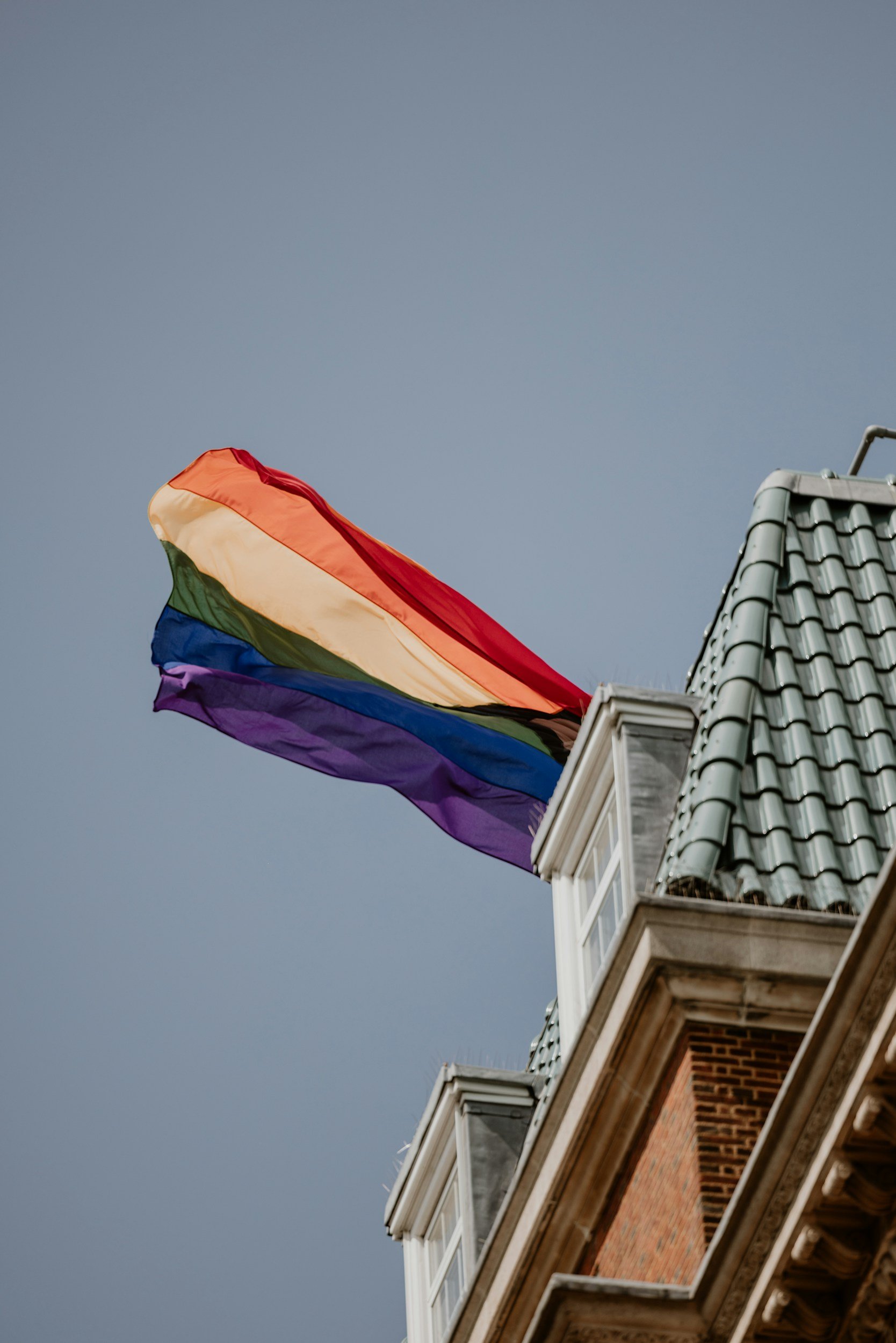
LGBTQIA+ teens frequently depend on online support networks, especially when local services are limited or unsafe.
For these groups, the ban may:
Remove their primary support communities
Push them into less visible or less regulated online spaces
Increase their sense of isolation
Limit safe peer connection
Encourage the use of loopholes or private messaging platforms
As a result, the law will not land evenly. Some teenagers will simply stop using certain apps; others will adapt or circumvent restrictions. Some will be cut off from vital social networks. Others may be pushed toward riskier online environments.
What Comes Next?
The legislation is now in force, but implementation is only the beginning. If the goal is to protect young people, the next challenge is ensuring they are not left without support or community.
This will require:
New, safe digital public spaces
Accessible youth-friendly support services
Better education for families about online risks
Collaboration with young people in designing the solutions
At Sydney Defenders, we understand that legislative change can create confusion, fear, and uncertainty. Our role is to help communities navigate the law with clarity and confidence — ensuring families understand their rights and responsibilities, and that young people are informed, not left behind.
If you have questions about how this law may affect your family, school, organisation, or business, we are here to assist.